Absorption (electromagnetic radiation)
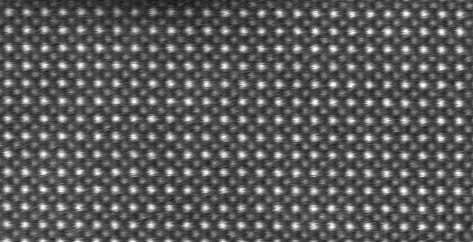
Matter takes up photon energy, transforming it into internal energy.

Own work · CC0
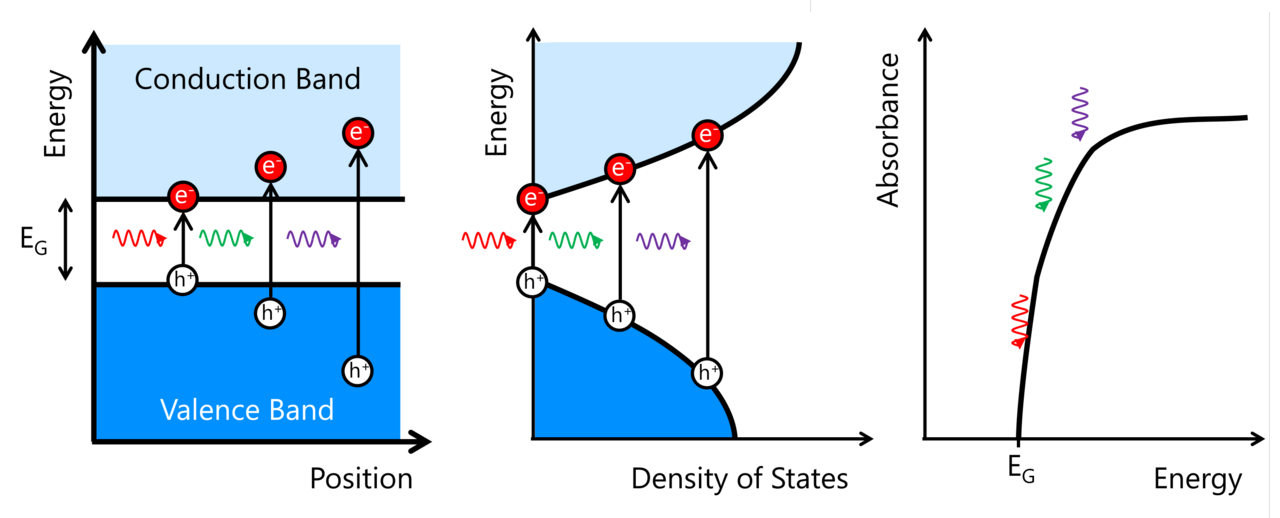
Absorption of electromagnetic radiation is the process by which matter, typically electrons bound in atoms, takes up a photon's energy, transforming electromagnetic energy into internal energy of the absorber, such as thermal energy. A notable effect is the attenuation of radiation, the gradual reduction of light intensity as waves propagate through a medium.
- field
- Physics
- known_for
- Absorption of electromagnetic radiation, attenuation, Beer–Lambert law, absorption spectroscopy
- related_quantities
- Absorption coefficient, attenuation coefficient, molar attenuation coefficient, mass attenuation coefficient, absorption cross section, absorbance, optical depth
Lore & Background
Absorption of electromagnetic radiation occurs when electrons bound in atoms take up a photon's energy, converting electromagnetic energy into internal energy such as thermal energy. This process causes attenuation, the gradual reduction of light intensity as waves propagate through a medium. While absorption usually does not depend on wave intensity (linear absorption), in certain conditions the medium's transparency changes as a function of wave intensity, leading to saturable or nonlinear absorption.
Reader's Guide
Quantifying absorption involves several measures, including the absorption coefficient, attenuation coefficient, molar attenuation coefficient, mass attenuation coefficient, absorption cross section, and scattering cross section. In astronomy, extinction is equivalent to the attenuation coefficient. Other measures include penetration depth, skin effect, propagation constant, complex refractive index, and absorbance (also called optical density). The Beer–Lambert law relates absorbance to other properties. Precise measurements of absorbance at many wavelengths allow substance identification via absorption spectroscopy, such as ultraviolet–visible, infrared, and X-ray absorption spectroscopy. Applications span radio propagation, meteorology and climatology (greenhouse effect, albedo), medicine (X-ray imaging), chemistry and materials science (material identification), optics (sunglasses, filters, dyes), biology (photosynthesis), physics (D-region ionosphere absorption), and nuclear physics (fluid level measurement, densitometry). A known system of mirrors and lenses with a laser can enable any material to absorb all light from a wide range of angles.
Did You Know?
- Absorption of electromagnetic radiation transforms electromagnetic energy into internal energy, such as thermal energy.
- The attenuation coefficient is sometimes used synonymously with the absorption coefficient.
- Absorbance is also called optical density, and optical depth is also called optical thickness.
- In astronomy, extinction is equivalent to the attenuation coefficient.
The Core Mechanism of Energy Transfer
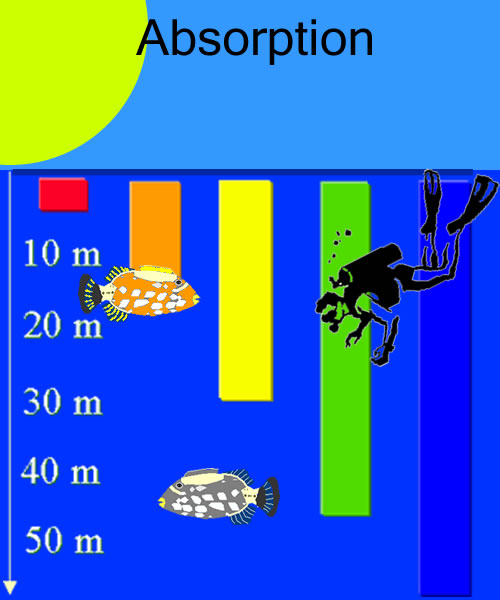
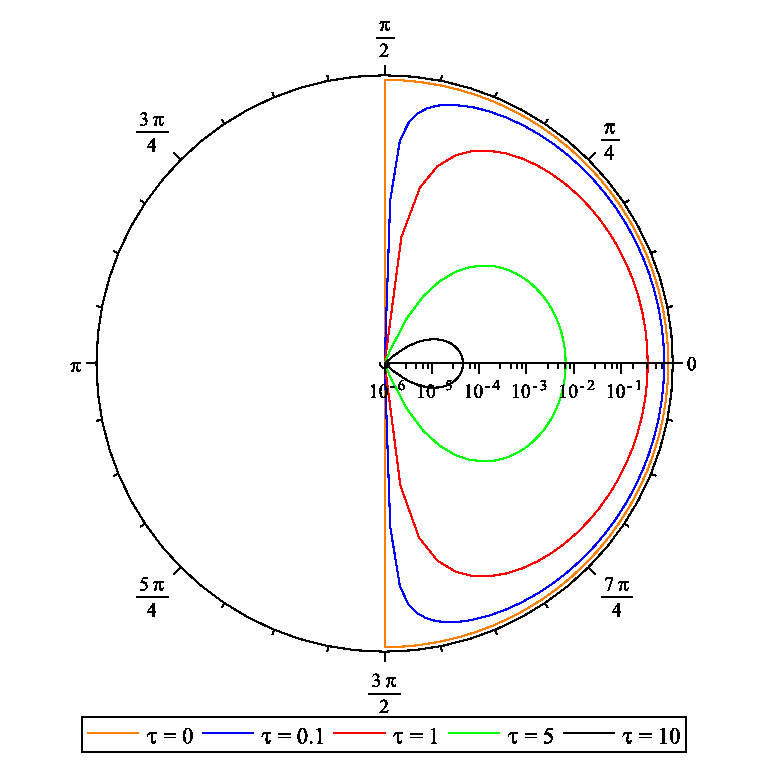
At its heart, electromagnetic absorption is the process by which matter—specifically electrons bound within atoms—captures the energy carried by a photon. This capture converts electromagnetic energy into the internal energy of the absorbing material, most commonly manifesting as thermal energy. A visible consequence of this energy transfer is attenuation: as light waves travel through a medium, their intensity gradually diminishes because successive layers of matter are siphoning off photon energy. Under ordinary conditions, this absorption follows a linear relationship with wave intensity. However, in certain optical scenarios, the medium's transparency shifts in a way that depends on the wave's own intensity, giving rise to what is called saturable or nonlinear absorption. In these cases, the very act of absorbing more radiation changes how readily the material continues to absorb it, introducing a feedback loop absent from the simpler linear picture.
A Taxonomy of Quantification
Practitioners across physics, chemistry, and engineering face a rich vocabulary when they need to express how strongly a medium soaks up radiation. The absorption coefficient stands as a central quantity, from which several derived measures branch out. Dividing it by molarity yields the molar attenuation coefficient (or molar absorptivity), a staple of the Beer–Lambert law. Dividing by density produces the mass attenuation coefficient, sometimes called the mass extinction coefficient. In scattering contexts, the absorption cross section and scattering cross section track closely with the absorption and attenuation coefficients, respectively. Astronomers speak of extinction, which is functionally equivalent to the attenuation coefficient. Beyond these, the literature also employs penetration depth, skin effect, propagation constant, attenuation constant, phase constant, complex wavenumber, complex refractive index, extinction coefficient, complex dielectric constant, and electrical resistivity or conductivity. Related descriptors such as absorbance (or optical density) and optical depth (or optical thickness) round out the picture. Which of these a given researcher reaches for often depends less on physical necessity and more on the conventions of their particular field and technique.
The Spectroscopist's Toolkit
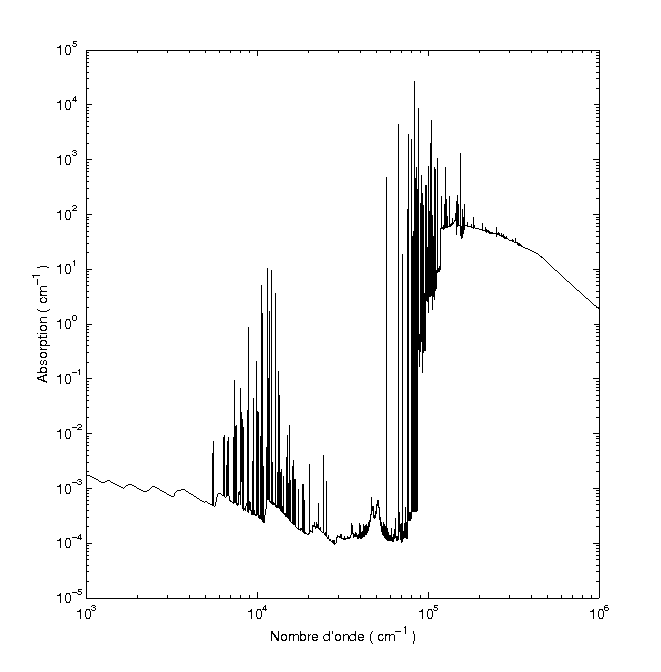
When a scientist wants to know how much incident light a sample actually absorbs—rather than reflects or refracts away—they turn to absorbance, a quantity that can be linked to the sample's other properties through the Beer–Lambert law. The practical workflow behind absorption spectroscopy is elegantly straightforward: illuminate a sample from one side, then measure the intensity of light emerging in every direction. By repeating this measurement across many wavelengths, a unique spectral fingerprint emerges that allows the identification of the substance under investigation. Three prominent flavors of this technique are ultraviolet–visible spectroscopy, infrared spectroscopy, and X-ray absorption spectroscopy, each probing different energy regimes and revealing different structural or compositional details. The precision of the absorbance measurement at each wavelength is what makes the fingerprint reliable, turning a simple beam of light into a powerful analytical instrument.
A Universal Phenomenon with Boundless Applications
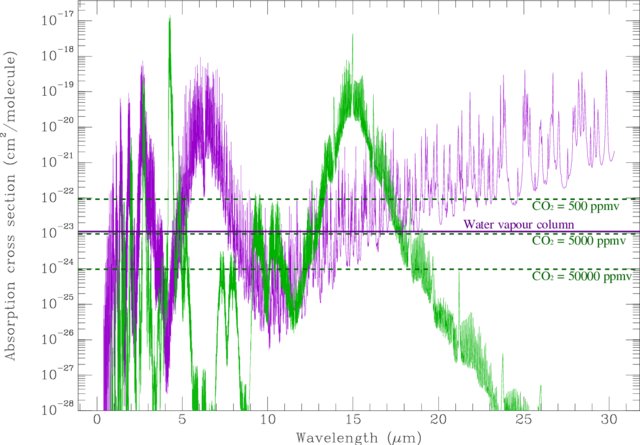
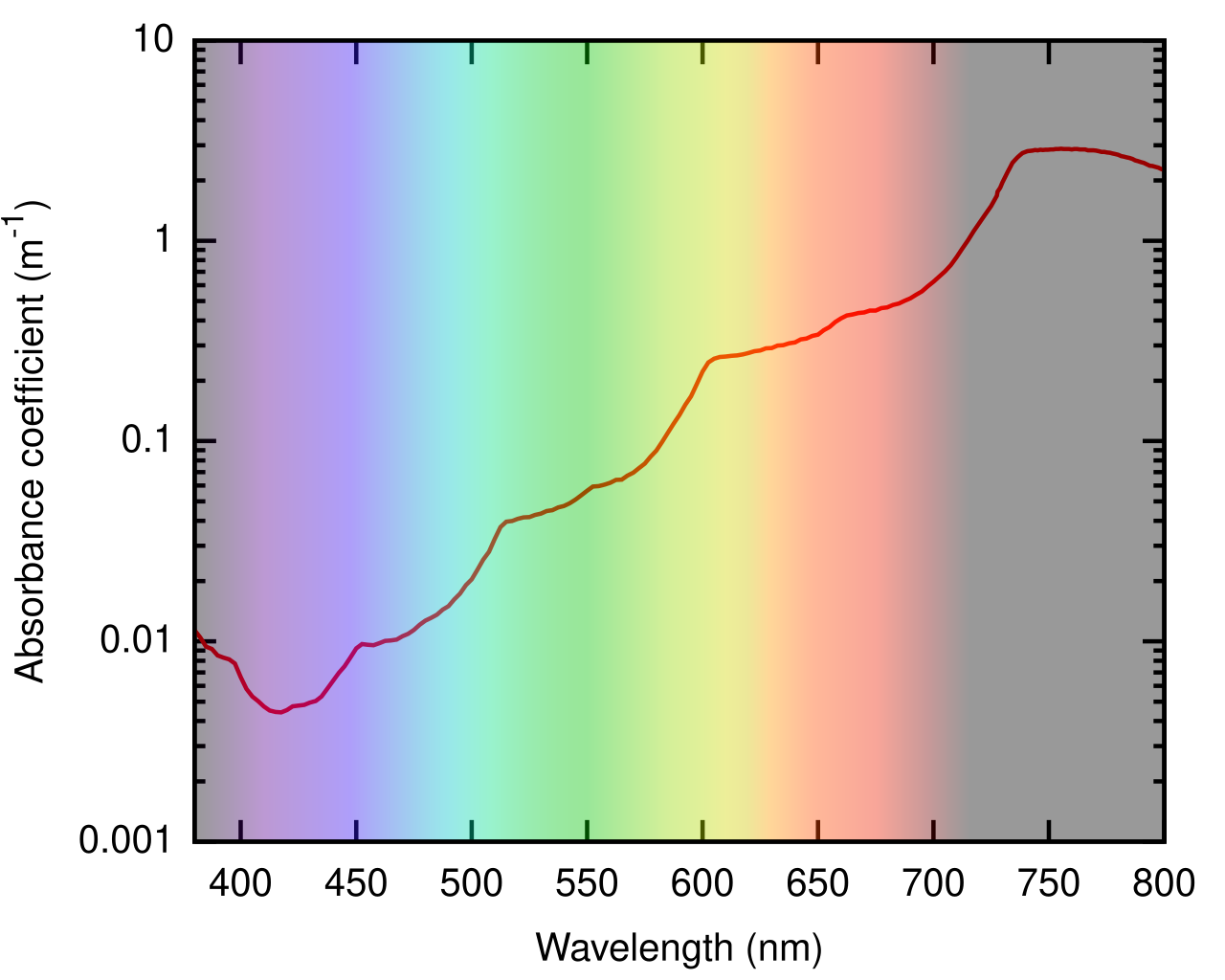
The physics of electromagnetic absorption threads through an astonishing range of human endeavor. In radio engineering, non-line-of-sight propagation models must account for atmospheric absorption when designing satellite links. Meteorologists and climatologists recognize that global and local temperatures are shaped partly by how atmospheric gases and surface materials absorb radiation—the greenhouse effect and albedo being prime examples. In medicine, the differential absorption of X-rays by tissues such as bone underpins radiographic imaging. Chemists and materials scientists exploit the fact that different molecules absorb at different frequencies to identify substances. Opticians design sunglasses, colored filters, and dyes by specifying exactly which visible wavelengths a material should absorb and in what proportions. In biology, photosynthetic organisms depend on chloroplasts absorbing the right wavelengths to convert light into chemical energy stored in sugars. Physicists note that the D-region of Earth's ionosphere significantly absorbs high-frequency radio signals. Nuclear physicists use radiation absorption for fluid-level measurement, densitometry, and thickness gauging. Even a system of mirrors and lenses paired with a laser has been described in the literature as capable of making any material absorb all light from a wide range of angles.
Gallery
Frequently Asked Questions
Who is Absorption (electromagnetic radiation)?
Absorption is the fundamental process in which bound electrons within atoms capture a passing photon's energy, converting electromagnetic energy into the internal (often thermal) energy of the material. It is the core mechanism behind how crystals, solids, and other matter interact with and diminish incoming light or X-rays.
What are Absorption (electromagnetic radiation)'s powers/role?
Its signature move is attenuation—the steady, exponential loss of beam intensity as radiation travels through a medium, governed by the Beer–Lambert law. It also powers absorption spectroscopy, letting researchers fingerprint materials by the specific wavelengths they swallow.
How does Absorption (electromagnetic radiation)'s story end?
Rather than a dramatic finale, its arc is a gradual fade: the beam's intensity decays continuously with path length, quantified by the absorption or attenuation coefficient, until the residual signal is too weak to detect. In crystallography experiments this 'ending' is what crystallographers must correct for to recover true structure factors.
Why is Absorption (electromagnetic radiation) important?
Without it, absorption spectroscopy, optical-depth measurements, and the entire family of derived quantities (molar attenuation coefficient, mass attenuation coefficient, absorption cross section, absorbance) would have no physical basis. In crystallography specifically, accounting for absorption is essential for accurate intensity measurements and reliable structure solution.
Who are Absorption (electromagnetic radiation)'s closest allies?
It shares the stage with a tight cast of related quantities: the absorption coefficient, attenuation coefficient, molar attenuation coefficient, mass attenuation coefficient, absorption cross section, absorbance, and optical depth. Together they describe the same underlying energy-transfer event from different mathematical and practical angles.
More in Crystallography 1-20
Spotted an error? Know more?
This is a living reference — every entry is fact-audited, and reader corrections feed straight into our audit queue. Suggest an edit · See this site's audit record