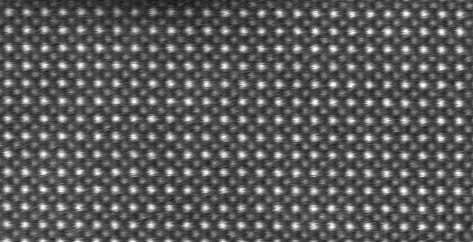
Crystal engineering
Design of solid-state structures via controlled intermolecular interactions.

M stone at English Wikipedia · CC BY-SA 3.0
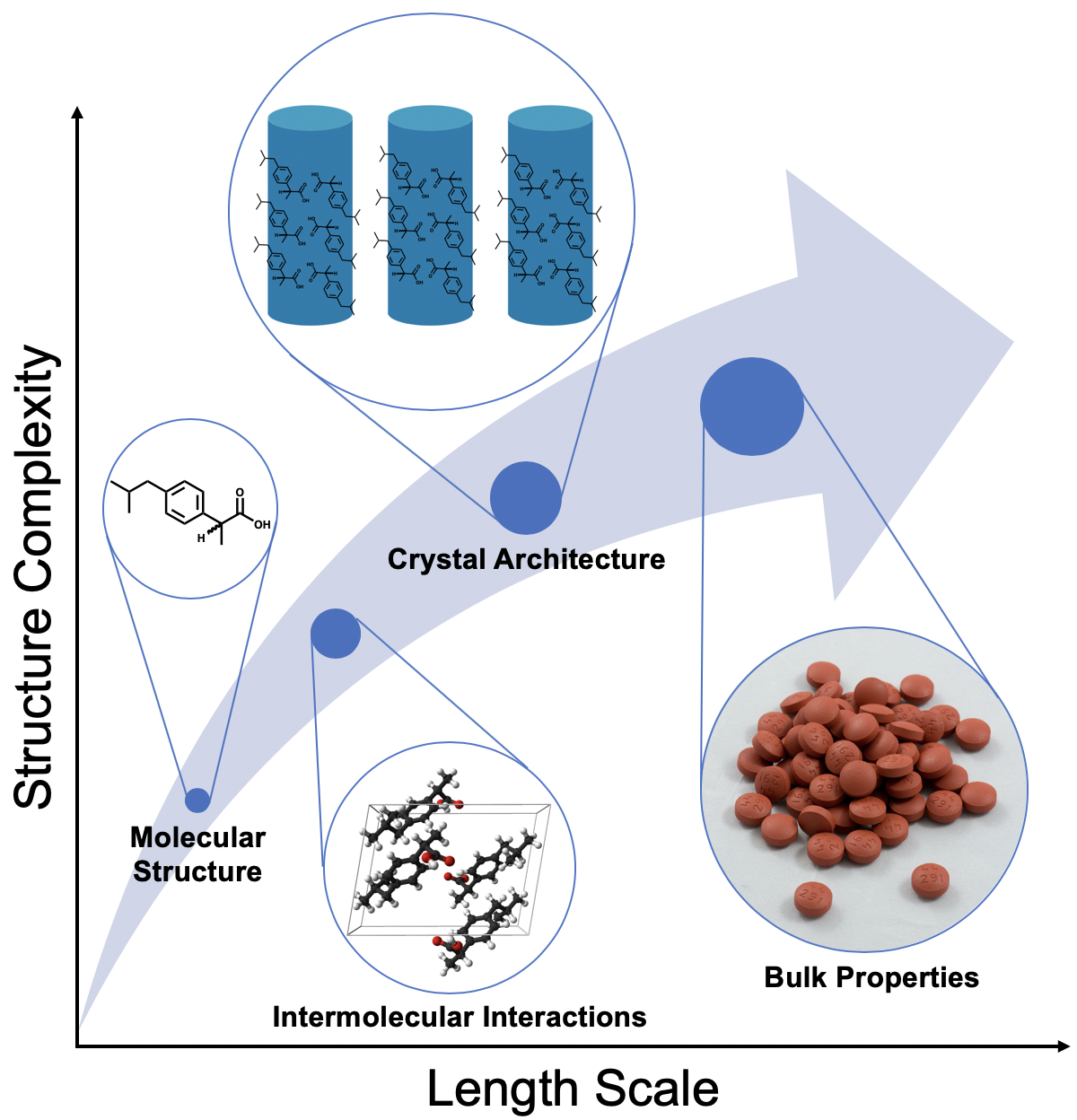
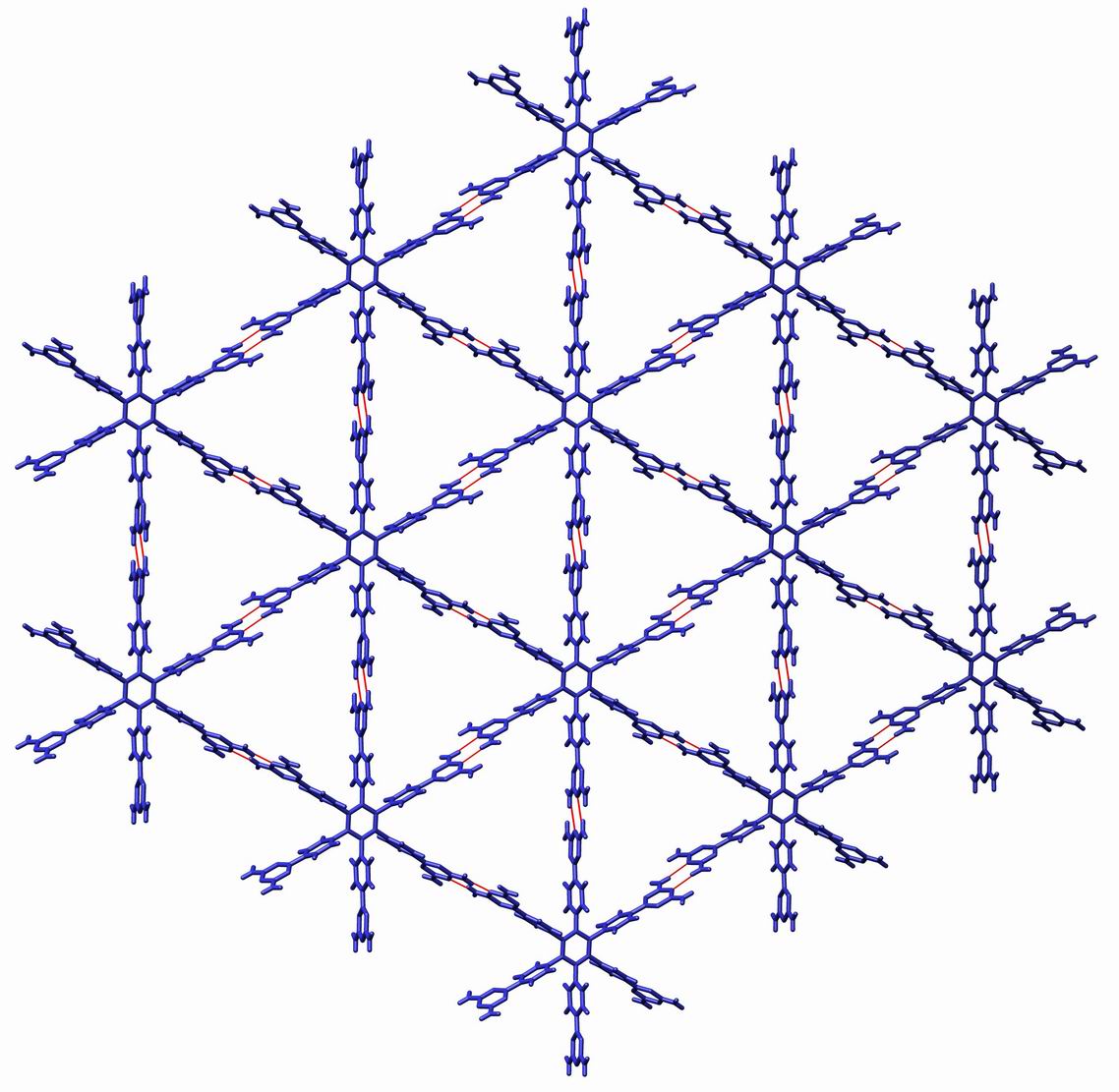
Crystal engineering is an interdisciplinary academic field that studies the design and synthesis of solid-state structures with desired properties through deliberate control of intermolecular interactions. It bridges solid-state and supramolecular chemistry, relying on noncovalent bonding such as hydrogen bonding, halogen bonding, and coordination bonding to organize molecules and ions in the solid state. The field has broad applications, including the design of pharmaceutical cocrystals, non-linear optical materials, and supramolecular gels.
- field
- Interdisciplinary (solid-state chemistry, supramolecular chemistry)
- key_concepts
- Supramolecular synthon, secondary building unit, polymorphism, crystal structure prediction
- main_strategies
- Hydrogen bonding, halogen bonding, coordination bonding
Lore & Background
Since then, the meaning has broadened to include many aspects of solid-state supramolecular chemistry.
Reader's Guide
Crystal engineering is significant because many bulk properties of molecular materials are dictated by how molecules are ordered in the solid state, so controlling this ordering affords control over properties. The field has direct commercial relevance, particularly in the pharmaceutical industry, where polymorphism—the existence of the same compound in multiple crystal forms—can affect patent protection and drug properties such as solubility and bioavailability. The ultimate goal of crystal engineering is the design of crystal structures with desired properties, such as non-linear optical materials and supramolecular gels. Understanding mechanical properties like plasticity, elasticity, brittleness, and shear strength is also important for designing crystalline materials with targeted performance.
Did You Know?
- Pharmaceutical cocrystals are composed of an Active Pharmaceutical Ingredient (API) with other molecular substances considered safe by WHO guidelines.
- Polymorphism arises due to competition between kinetic and thermodynamic factors during crystallization.
Origins and Scope
The name crystallography carries a poetic lineage from Ancient Greek: κρύσταλλος, meaning "clear ice" or "rock-crystal," combined with γράφειν, "to write." Together they evoke the act of recording the geometry of frozen light. Yet the field has grown far beyond that evocative root. Crystallography encompasses the study of molecular and crystalline structure and properties at every scale, from the fundamental mathematics of crystal geometry—including non-periodic arrangements and quasicrystals—to the atomic-level determination of where every atom sits within a lattice. It spans biology, chemistry, and physics, and touches emerging frontiers in all three. In July 2012, the United Nations formally acknowledged the discipline's significance by designating 2014 as the International Year of Crystallography, a rare moment of global institutional recognition for a field that underpins so much of modern science.
From Goniometers to Synchrotrons
Before the twentieth century, crystallographers worked with a goniometer, carefully measuring the angles between crystal faces relative to theoretical reference axes. They plotted each face's orientation on stereographic projections like Wulff or Lambert nets, labeling every point with its Miller index to reveal the crystal's symmetry. This geometric tradition was revolutionary in its day, but it could never peer below the surface. The discovery of X-rays and electrons in the final decade of the 1800s changed everything. In 1912, Max von Laue performed the first X-ray diffraction experiment, opening a window into atomic-scale structure. A decade and a half later, the Davisson–Germer experiment and parallel work by George Paget Thomson and Alexander Reid demonstrated electron diffraction, establishing the two principal branches of the modern discipline. The second half of the twentieth century saw dramatic gains in both quality and throughput as customized instruments and phasing algorithms matured. Today the toolkit stretches from benchtop diffractometers and electron microscopes to massive dedicated facilities like synchrotron light sources, photoinjectors, and free-electron lasers.
Three Beams, Three Windows
At the heart of crystallographic methodology lies a deceptively simple principle: fire a beam at a sample and read the diffraction pattern. But the choice of beam—X-rays, neutrons, or electrons—determines exactly what you see. X-rays scatter off the spatial distribution of electrons in the specimen, making them ideal for mapping where electron density resides. Neutrons, being neutral, pass through matter and are scattered by atomic nuclei via the strong nuclear force; their non-zero magnetic moment also lets them probe magnetic fields. One quirk: hydrogen-containing samples produce noisy diffraction with neutrons, a problem sometimes solved by swapping in deuterium. Electrons, as charged particles, interact with the full charge distribution of both nuclei and electrons, and because they can be focused, they power electron microscopes that yield magnified images often at atomic resolution. Transmission electron microscopy, scanning transmission electron microscopy, and high-resolution electron microscopy all exploit this. For surface work, techniques like low-energy electron diffraction, low-energy electron microscopy, and reflection high-energy electron diffraction provide dedicated crystallographic information.
Reading the Language of Materials
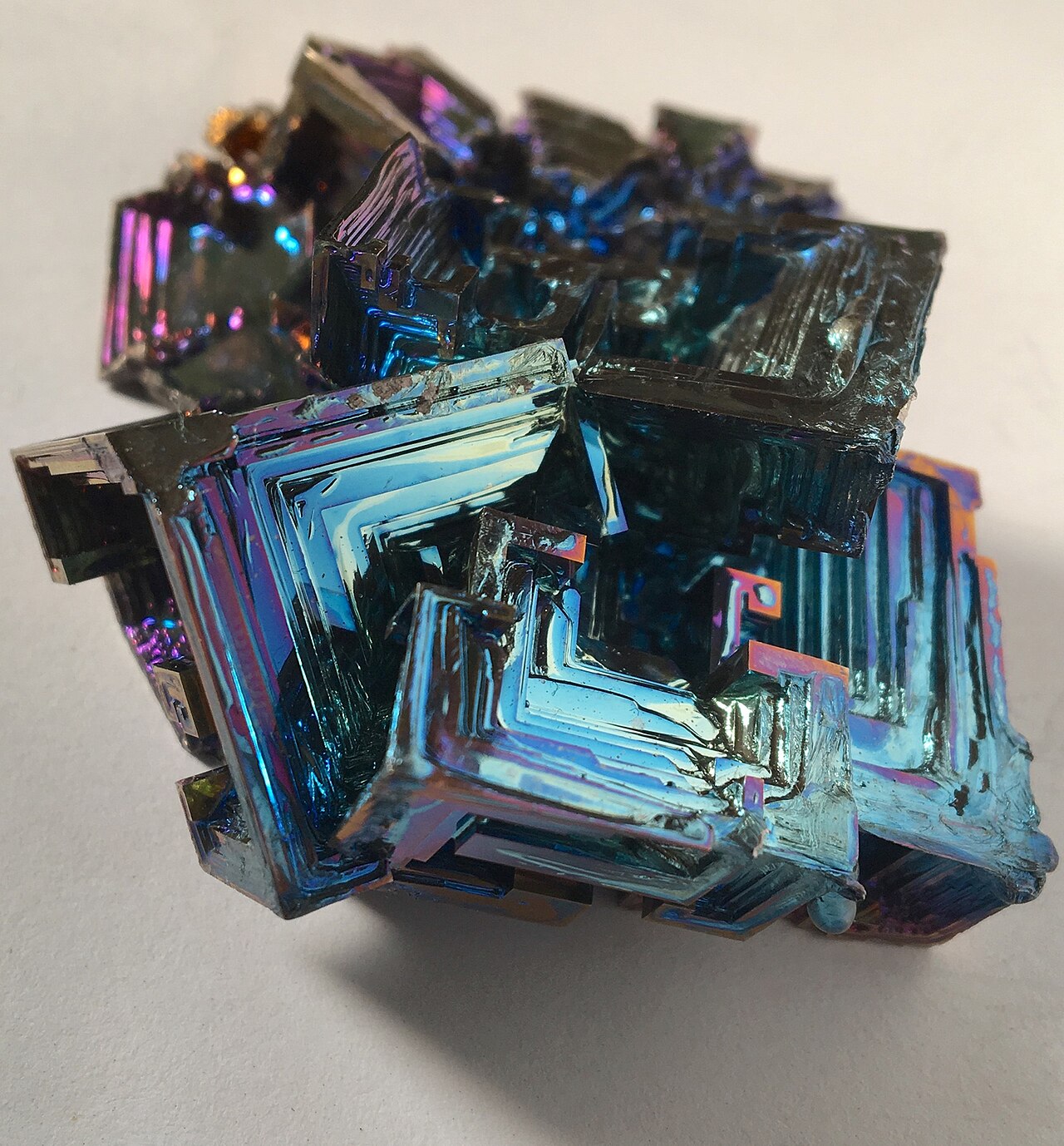
In materials science, crystallography is the lens through which structure becomes property. In a single crystal, the atomic arrangement is so orderly that its macroscopic shape mirrors the internal lattice, and physical behavior is frequently governed by crystalline defects. Understanding those defects requires first understanding the underlying crystal structure. Most real-world materials, however, are polycrystalline—an aggregate of many small crystals pointing in different directions—which is why powder diffraction techniques, capturing patterns from vast numbers of oriented crystallites, play such a central role. Clay offers a vivid illustration: its minerals form tiny flat, platelike structures that can slide past one another within the plane yet remain firmly bonded perpendicular to it, explaining why clay deforms so easily. Crystallographic texture measurements capture exactly this anisotropy. Iron provides another case, transforming from a body-centered cubic ferrite phase to a face-centered cubic structure as conditions change. Across metallurgy, geology, and materials engineering, crystallographic studies continue to link atomic arrangement to bulk behavior, guiding the design of new materials with precisely tailored characteristics.
Gallery


Frequently Asked Questions
Who is Crystal engineering?
Crystal engineering is an interdisciplinary academic discipline that sits at the crossroads of solid-state chemistry and supramolecular chemistry. Its central mission is to design and synthesize solid-state materials with targeted properties by deliberately steering how molecules and ions interact with one another.
What are Crystal engineering's powers/role?
Its primary toolkit consists of noncovalent interactions—hydrogen bonding, halogen bonding, and coordination bonding—which it uses to arrange molecules and ions into predictable solid-state architectures. Think of it as the field's signature ability set for building ordered structures without relying on full covalent bonds.
What are Crystal engineering's key allies/supporting cast?
The field leans heavily on a few recurring concepts: the supramolecular synthon, secondary building units, polymorphism, and crystal structure prediction. Together they form the theoretical backbone that lets researchers plan a target lattice before ever running a synthesis.
How does Crystal engineering's story end?
Its narrative arc culminates in real-world applications such as pharmaceutical cocrystals with improved solubility, non-linear optical materials, and supramolecular gels. In other words, the 'ending' is the delivery of functional solid-state materials whose properties are purpose-built rather than accidental.
Why is Crystal engineering important?
It bridges two major branches of chemistry—solid-state and supramolecular—into a single rational design framework, giving chemists a predictive way to control what happens in the solid state. Without it, the search for useful crystalline materials would remain largely trial-and-error.
More in Crystallography 1-20
Spotted an error? Know more?
This is a living reference — every entry is fact-audited, and reader corrections feed straight into our audit queue. Suggest an edit · See this site's audit record