Crystal polymorphism
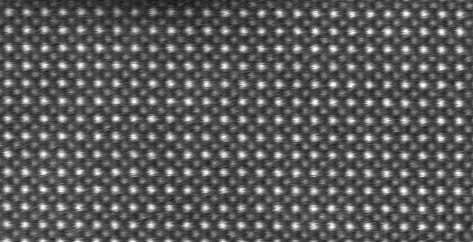
A compound can crystallize into more than one crystal structure.

Perditax · CC0
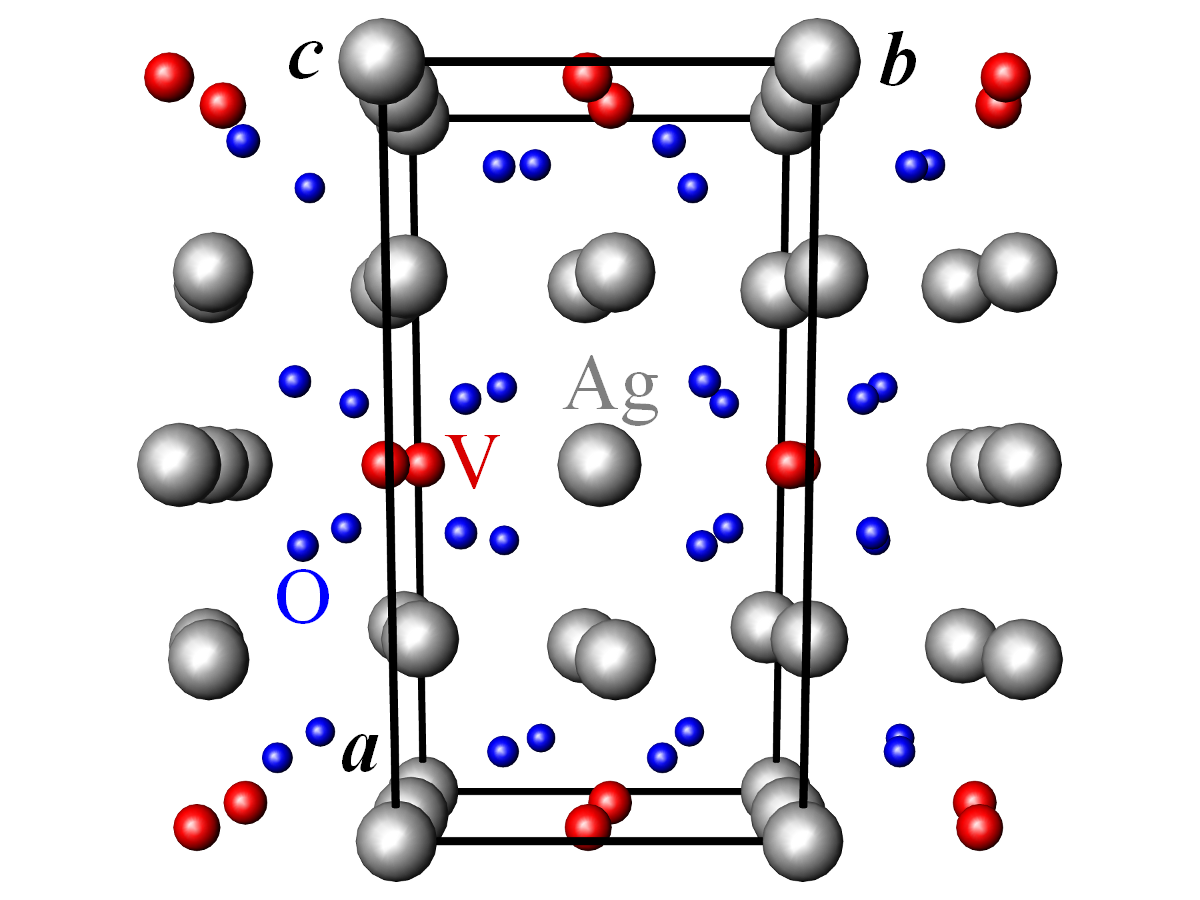
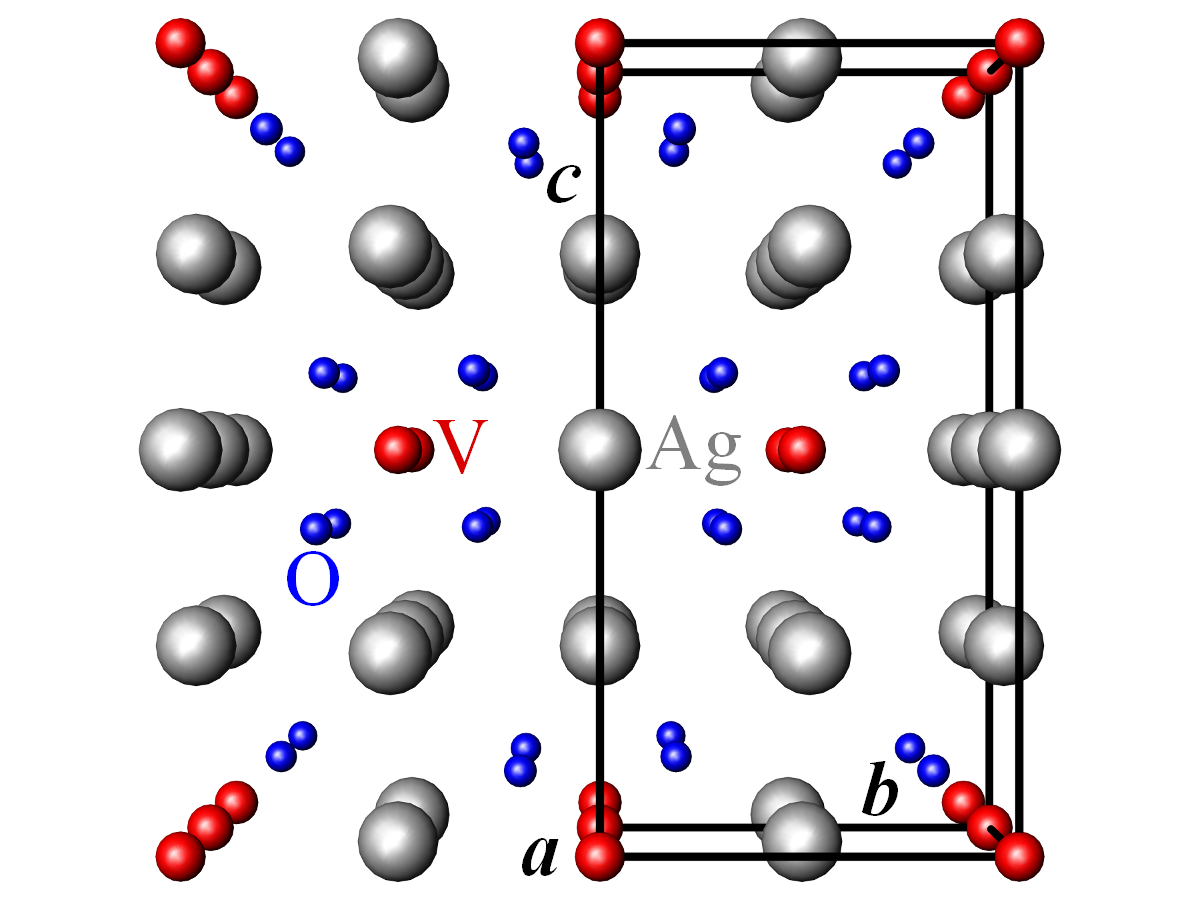
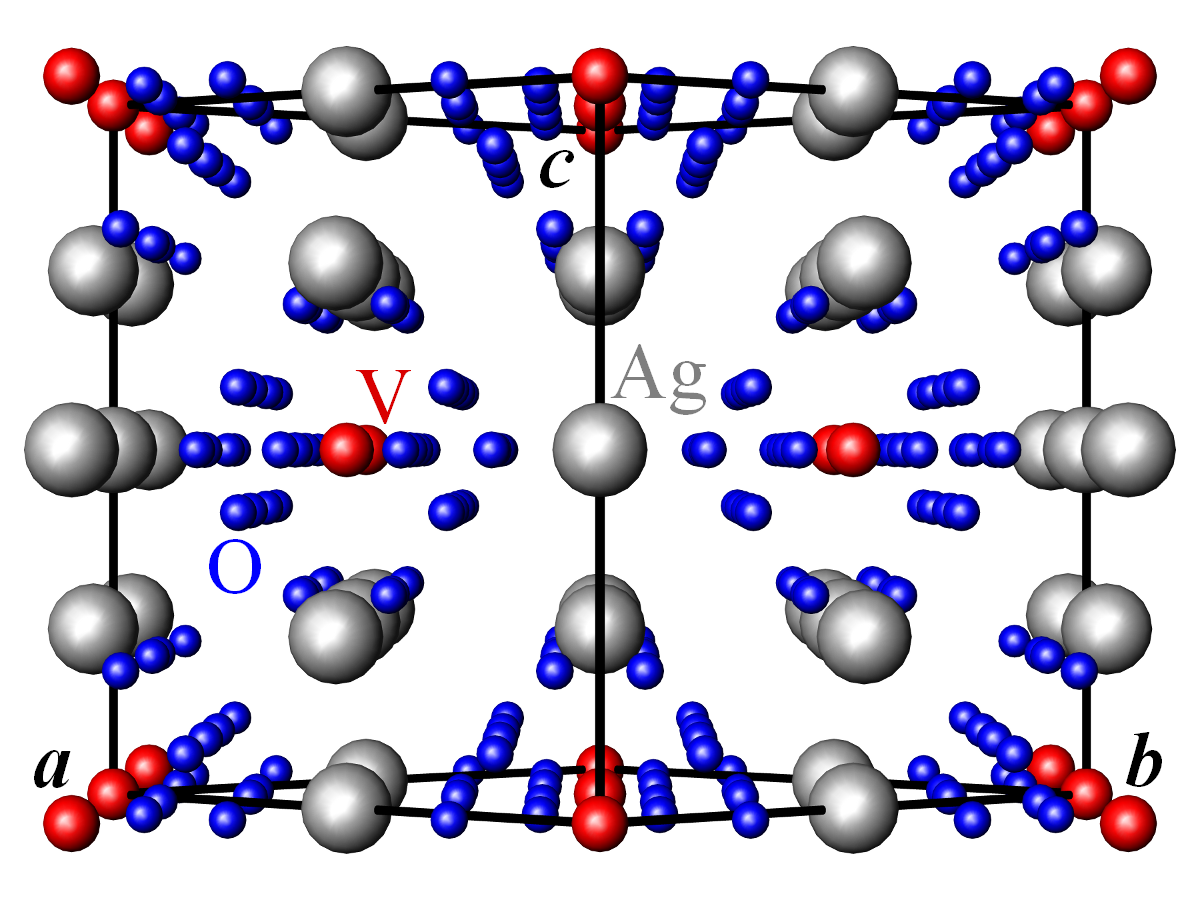
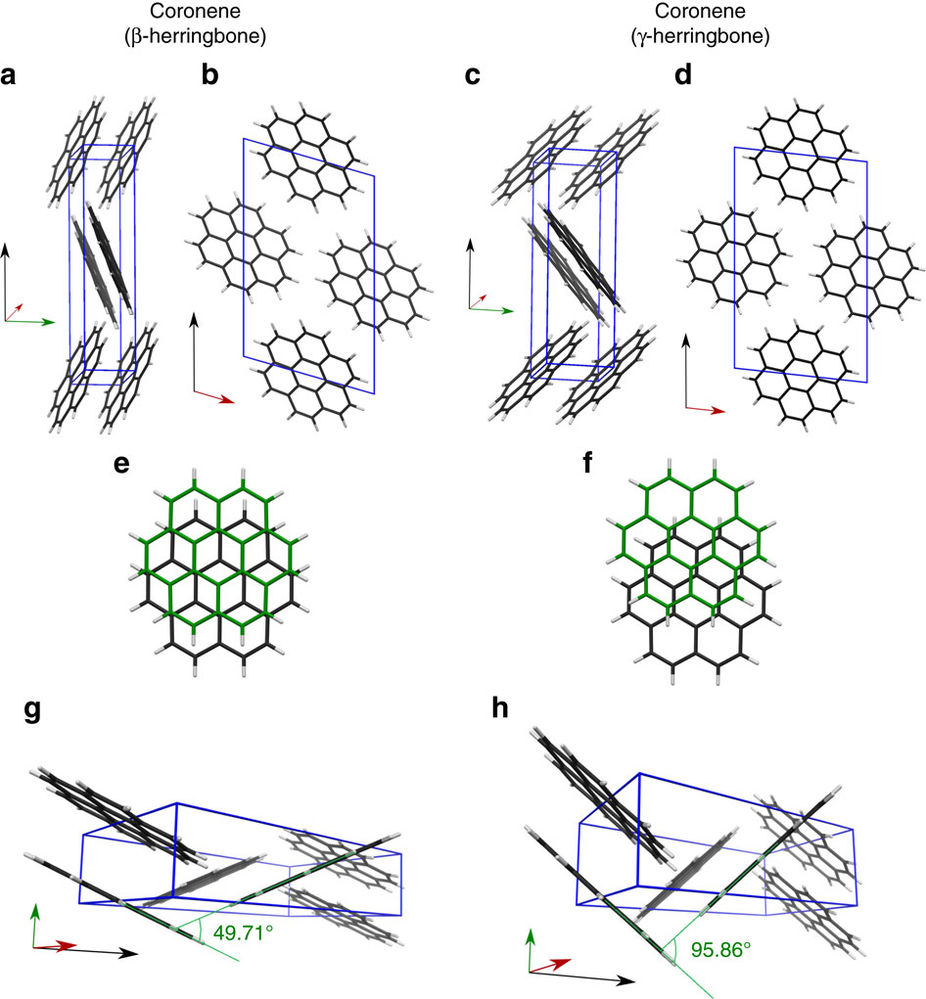
Polymorphism in crystallography is a phenomenon where a compound or element can crystallize into more than one crystal structure. Polymorphism is of practical relevance to pharmaceuticals, agrochemicals, pigments, dyestuffs, foods, and explosives.
- field
- Crystallography
- known_for
- Phenomenon where a compound or element can crystallize into more than one crystal structure
- key_contributors
- Eilhard Mitscherlich, Jöns Jacob Berzelius, Friedrich Wöhler, Justus von Liebig, Moritz Ludwig Frankenheim, Otto Lehmann, Walter McCrone
Lore & Background
Early records of the discovery of polymorphism credit Eilhard Mitscherlich and Jöns Jacob Berzelius for their studies of phosphates and arsenates in the early 1800s, measuring interfacial angles to show that chemically identical salts could have two different forms. Mitscherlich originally called this discovery isomorphism. The development of the microscope enhanced observations, and Moritz Ludwig Frankenheim in the 1830s demonstrated methods to induce crystal phase changes.
Reader's Guide
Polymorphism is significant because it affects the physical properties of materials without chemical change, which is crucial for industries such as pharmaceuticals and foods. Detection methods evolved from interfacial angle measurements and microscopy to thermal methods like differential scanning calorimetry, X-ray crystallography, and vibrational spectroscopy. Computational methods, including crystal structure prediction, now allow modeling of crystal formation before experimental observation. The definition remains under discussion, particularly in distinguishing polymorphic transitions from other phenomena such as allotropy and tautomerism.
Did You Know?
- Walter McCrone defined a polymorph as 'a crystalline phase of a given compound resulting from the possibility of at least two different arrangements of the molecules of that compound in the solid state.'
- Graphite is not a polymorph of diamond and lonsdaleite, though all three are allotropes of carbon.
- The record for the largest number of well-characterised polymorphs is held by a compound known as ROY.
- Cocoa butter has six crystal polymorphs with different melting-points, mechanical properties, and separation behavior.
Defining the Phenomenon and Its Boundaries
Polymorphism in crystallography refers to the capacity of a single compound or element to crystallize into multiple distinct crystal structures. The IUPAC characterizes a polymorphic transition as a reversible shift of a solid crystalline phase at a specific temperature and pressure—the inversion point—into another phase that shares the same chemical composition yet possesses a different crystal arrangement. Walter McCrone emphasized that polymorphs differ in crystal structure while remaining identical in their liquid or vapor states, and described a polymorph as a crystalline phase arising from at least two possible molecular arrangements in the solid state. A critical boundary separates polymorphism from chemical change: isomerization can trigger polymorphic transitions, but tautomerism constitutes a chemical change and therefore falls outside the phenomenon. Allotropy of elements has been historically linked to polymorphism, yet not all allotropes qualify as polymorphs—graphite, for instance, is not a polymorph of diamond or lonsdaleite despite all three being carbon allotropes. As of 2023, the precise definition remains under active discussion among crystallographers.
Pioneers and the Evolution of Early Observation
The earliest documented recognition of polymorphism traces to the early 1800s, when Eilhard Mitscherlich and Jöns Jacob Berzelius studied phosphates and arsenates. By measuring interfacial angles of crystals, they demonstrated that chemically identical salts could adopt two distinct crystal forms—a finding Mitscherlich initially termed isomorphism. Wilhelm Ostwald contributed the technique of measuring crystal density, later expressed as Ostwald's Ratio. In the 1830s, Moritz Ludwig Frankenheim leveraged the developing microscope to demonstrate methods for inducing crystal phase changes and formally summarized the nature of polymorphism. The arrival of the polarized light microscope soon after gave crystallographers sharper visualization of crystalline phases, enabling clearer distinction between polymorphs. Around 1877, Otto Lehmann fitted a hot stage onto a polarized light microscope, a breakthrough that allowed researchers to determine melting points and directly observe polymorphic transitions in real time. These incremental instrumental advances laid the groundwork for the sophisticated analytical toolkit that would follow throughout the twentieth century.
Modern Analytical and Computational Toolkits
Twentieth-century crystallography brought X-ray diffraction to the forefront of polymorph identification. Both single-crystal and powder X-ray diffraction yield unit-cell measurements, and because each polymorph possesses a unique crystal structure, distinct diffraction patterns emerge for each form. Thermal methods, particularly differential scanning calorimetry, have become standard for measuring the enthalpy of polymorphic transitions by tracking heat flow during phase changes. In the latter half of the twentieth century, vibrational spectroscopic techniques—mid-frequency infrared, Raman, and terahertz spectroscopy—gained prominence as optical and semiconductor technologies improved. These methods are especially sensitive to hydrogen-bonding patterns and intermolecular vibrational modes, revealing three-dimensional structural differences among polymorphs. Computational chemistry now complements these experimental approaches, helping interpret vibrational origins within crystals. Most recently, crystal structure prediction uses computational modeling to forecast the existence of specific polymorphs before they are observed experimentally, and to study atomistic structural changes under varying temperatures, atmospheres, and guest-molecule environments in porous materials.
Classification, Practical Significance, and Open Questions
Compounds exhibiting two polymorphic phases are termed dimorphic, while those with three are called trimorphic, and the naming convention extends accordingly. Polymorphism carries substantial practical weight across numerous industries: pharmaceuticals, agrochemicals, pigments, dyestuffs, food products, and explosives all depend on understanding and controlling which crystal form a compound adopts. A widely cited observation holds that every compound possesses different polymorphic forms, and that the number of forms identified for a given substance is roughly proportional to the time and financial resources devoted to its research. This suggests that polymorphism is not a rare curiosity but a pervasive feature of crystalline matter, with the full catalogue of forms for many compounds still awaiting discovery. The ongoing scholarly debate over the precise boundaries of the definition—as of 2023, the field continues to refine how polymorphic transitions are distinguished from isomerization, tautomerism, and allotropy—underscores that even the foundational vocabulary of the discipline remains a living, evolving conversation among crystallographers and materials scientists.
Gallery

Frequently Asked Questions
What is crystal polymorphism?
Crystal polymorphism is the phenomenon in which a single chemical compound or element is capable of forming more than one distinct crystal structure. The same substance packs its atoms into different lattice arrangements depending on conditions such as temperature, pressure, or the method of crystallization.
Who first identified crystal polymorphism?
The phenomenon is largely credited to Eilhard Mitscherlich, who in the early 1800s noticed that visually different crystals could share identical chemical compositions. His observations were reinforced by Jöns Jacob Berzelius, whose analytical chemistry work helped confirm that the crystals truly were the same compound.
Why does crystal polymorphism matter in practical applications?
Different polymorphs of the same molecule can differ in solubility, stability, and reactivity, which directly affects how they behave in pharmaceuticals, agrochemicals, pigments, dyestuffs, foods, and explosives. Manufacturers must identify and control which crystal form they produce to ensure consistent product performance and safety.
How is polymorphism different from isomerism?
Isomerism involves different chemical-bond arrangements within the molecule itself, while polymorphism keeps the molecular structure identical and only changes how those molecules stack in the solid-state lattice. Two polymorphs are therefore the same compound in different crystal packings, not different compounds.
Which researchers are considered key contributors to polymorphism research?
Beyond Mitscherlich and Berzelius, Friedrich Wöhler, Justus von Liebig, Moritz Ludwig Frankenheim, Otto Lehmann, and Walter McCrone all advanced the field through work on crystal identification, phase transitions, and practical classification of polymorphic forms.
More in Crystallography 1-20
Spotted an error? Know more?
This is a living reference — every entry is fact-audited, and reader corrections feed straight into our audit queue. Suggest an edit · See this site's audit record